Putting your creditworthiness to work for your suppliers
How Supply Chain Finance works: a funder pays your suppliers early, at a rate based on your creditworthiness. Who it's meant for, and who it isn't.
In an earlier explanation you saw that you can use your own liquidity to pay suppliers earlier and earn an attractive return on it. There’s a second way to get your suppliers their money sooner. It isn’t about your cash position, but about your creditworthiness.
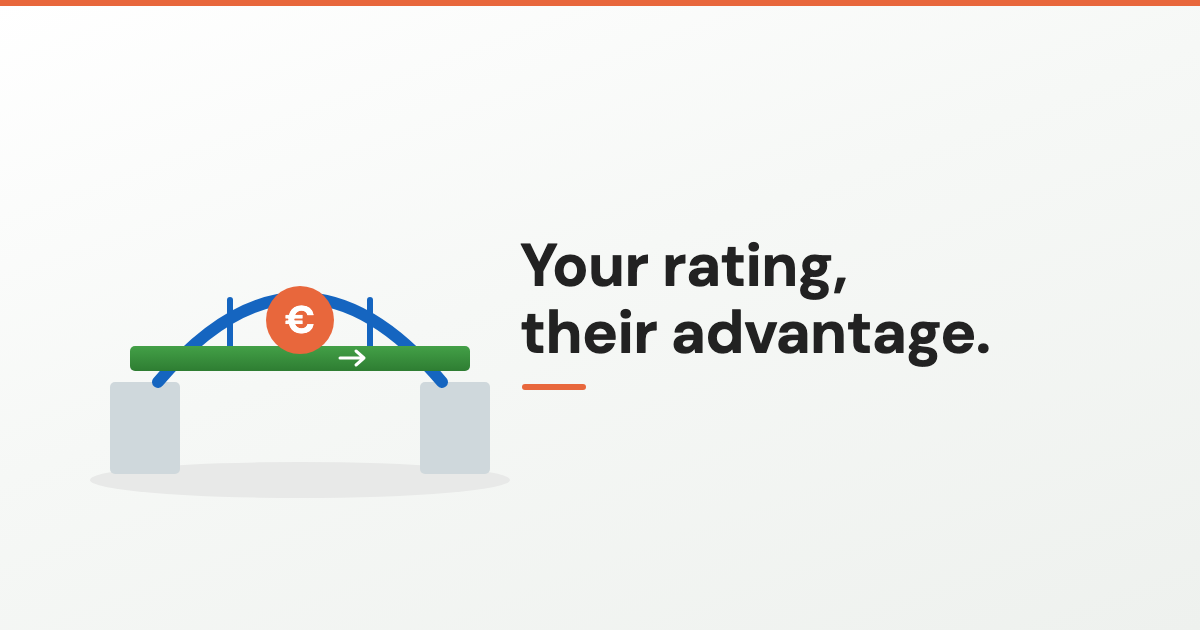
You can pay your supplier earlier in two ways. With your own cash (Dynamic Discounting): then you earn the discount. Or through a funder (Supply Chain Finance): then the funder pays your supplier early, at a rate based on your creditworthiness.
Supply Chain Finance, also known as reverse factoring, is meant for larger organisations with a strong credit position. They can raise money more cheaply than most of their suppliers. With Supply Chain Finance you let your suppliers share in that.
How it works, in three steps
Take an invoice of € 100,000 due in 60 days. Your supplier doesn’t want to wait that long.
When do you choose which?
Dynamic Discounting and Supply Chain Finance complement each other. Which one fits depends on your strongest card:
Dynamic Discounting
Supply Chain Finance
We regularly see organisations look at Supply Chain Finance because their own cash flow is under pressure. That isn't what it's for. The funder takes your creditworthiness as the starting point, so the arrangement only works if that's strong. Does that sound like you? Feel free to get in touch and we'll look at what does fit.
What it delivers
- Your supplier gets their money sooner, often more cheaply than with their own financing.
- You bind suppliers to you: you become the customer they want to work for. That's a competitive edge.
- You make concrete progress on CSR and supply chain responsibility: healthy suppliers, stable supply.
- It creates room to extend your payment terms, without your supplier feeling the strain.
- It runs through your existing invoices, linked to your ERP.
Supply Chain Finance is no magic wand: the discount is still paid, by the supplier to the funder. And whether an arrangement counts on your balance sheet depends on the terms you choose, for instance whether you extend your payment term. We're open about that up front, so you make a choice that fits your figures.
With Supply Chain Finance you put your creditworthiness to work for your suppliers: they get their money sooner at a favourable rate, and you bind them to you and make your chain stronger.